


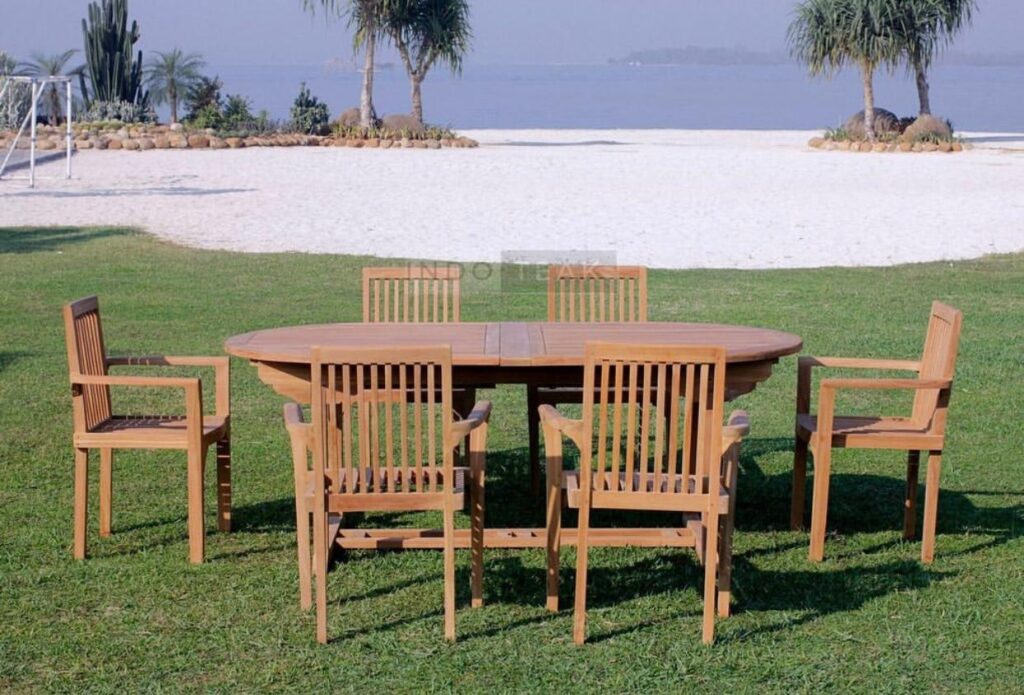
Buyer’s Guide: Expert Tips for Choosing the Best Indonesian Furniture Supplier – Indonesia is one of the world’s leading furniture producers, known for teak, rattan, and other high-quality materials. But finding the right supplier can be tricky — not every manufacturer meets international standards. Here’s a clear, practical guide to help you choose the best Indonesian furniture supplier.
1. Know Your Needs First
Before contacting suppliers, make a list of what you need:
- Type of Furniture: indoor, outdoor
- Materials: teak wood, mahogany, iron, concreate, rattan
- Design & finish: rustic, modern, natural, painted, scandinavian, or custom design
- MOQ & budget: know your minimum order quantity, price range, and delivery timeline
Having clear specs avoids confusion and speeds up negotiations.
2. Check Supplier Reputation
Work with suppliers that have experience in export markets. Look for:
- Years in business and track record
- Verified customer reviews or references
- Whether they are a real manufacturer, not just a trading company
A reliable supplier should be transparent about past projects and production capacity.
3. Verify Legal Compliance
Choose a supplier with proper documentation:
- SVLK Certification (Sistem Verifikasi Legalitas Kayu): this is Indonesia’s legal wood verification system. It ensures that all timber used is legally sourced.
- FSC Certification (Forest Stewardship Council): optional but shows that the wood comes from sustainably managed forests.
- Valid business licenses and export documents
This protects you from legal risks and ensures ethical sourcing.
4. Inspect Production & Quality
Ask for samples or visit the factory (or hire a local inspector) to check:
- Ask if they can make a sample or prototype before mass production.
- Wood moisture level (important to avoid cracks/warping)
- Quality of finishing, joinery, and sanding
- Consistency in color and design
- Ensure they can handle your order size, whether it is a small batch or a large shipment.
Good suppliers have proper kiln-drying facilities, quality control steps, and clear packaging systems.
5. Sustainability & Ethics
Today’s buyers care about responsible production. Ask about:
- Legally sourced wood and eco-friendly finishes
- Fair labor practices and safe working conditions
- Use of renewable materials (rattan, bamboo, reclaimed wood)
Suppliers willing to share this info are usually more professional.
6. Clear Communication & Contracts
Discuss everything upfront:
- Payment terms: usually 30–50% deposit and the rest after inspection or before shipment.
- Production and delivery schedule
- Warranty, packaging, shipping terms
- What happens if goods arrive damaged or late
Get all agreements in writing to avoid misunderstandings later.
7. Compare Cost and Value
Don’t pick the cheapest option right away. Compare at least two or three suppliers for the same product. Look at:
- Quality of samples
- Total cost (production + shipping + import fees)
- Supplier’s reliability and customer service
Paying a little more often saves money in the long run by reducing defects and delays.